

The desert Soilization Technology for Ecological Recovery by Chongqing Jiaotong University
“Desert soilization”, as a new technology based on mechanics for ecological recovery, was developed by a research team from Chongqing Jiaotong University led by Professor Yi Zhijian. The desert soilization technology integrates the functions of sand prevention, sand fixing and ecological recovery. By far multiple projects have been carried out inside and outside China successfully.
I. The theoretical basis
The principle of desert soilization is based on mechanics. Soil possesses two mechanical properties: it is in a solid state when dry and in a rheological state when wet, and the two states can steadily, constantly transform between each other. The unique mechanical properties of soil endow it with two important eco-mechanical attributes: self-repair and self-regulation, which is the reason why soil can support plant life in an endless ecological cycle.
The prerequisite for desert soilization is to soilize sand, i.e., to make the desert sand acquire the mechanical properties of soil by means of mechanical manipulation. The key to sand soilization is to impose ODI constraint (omni-directional integrative constraint) among the sand granules so as to change the mechanical properties of sand: to let it become rheological when wet (wet soil) and solid when dry (dry soil), and the two states can steadily, constantly transform between each other. The soilized sand possesses the mechanical properties of natural soil, including the eco-mechanical attributes of self-repair and self-regulation as well as the capacities to retain water, nutrients and air and to grow microorganism, so it can serve as an ideal habitat for plants.

Fig.1 The mechanical principle of sand soilization
The research results have been published in two journals: Science China Physics, Mechanics & Astronomy and Engineering, and have been awarded patents in China, Australia and Morocco etc.
II. The research history
In 2009, after collecting and analyzing the data obtained by a series of indoor and outdoor experiments, the research team formed the basic theoretical framework and the method of sand soilization. In 2013, the research team carried out a successful planting experiment in the soilized sand by simulating the desert landform conditions after developing an ODI constraint material extracted from plants. Through inspection by the relevant certified authorities, the results show that the ODI constraint material is nontoxic and is without any side effect.
In 2016, the research team conducted a verification experiment in Ulan Buh Desert on 1.67 hectares by planting in the soilized sand. The thriving plants over 70 kinds showed that the experiment was as desired and had won good acclaim.
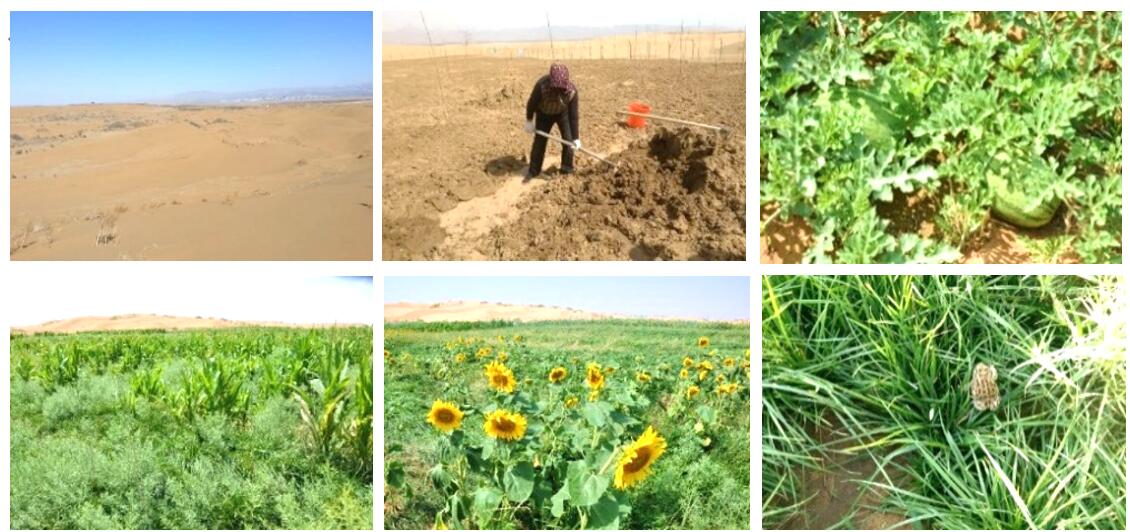
Fig. 2 The soilized site in Ulan Buh Desert in 2016
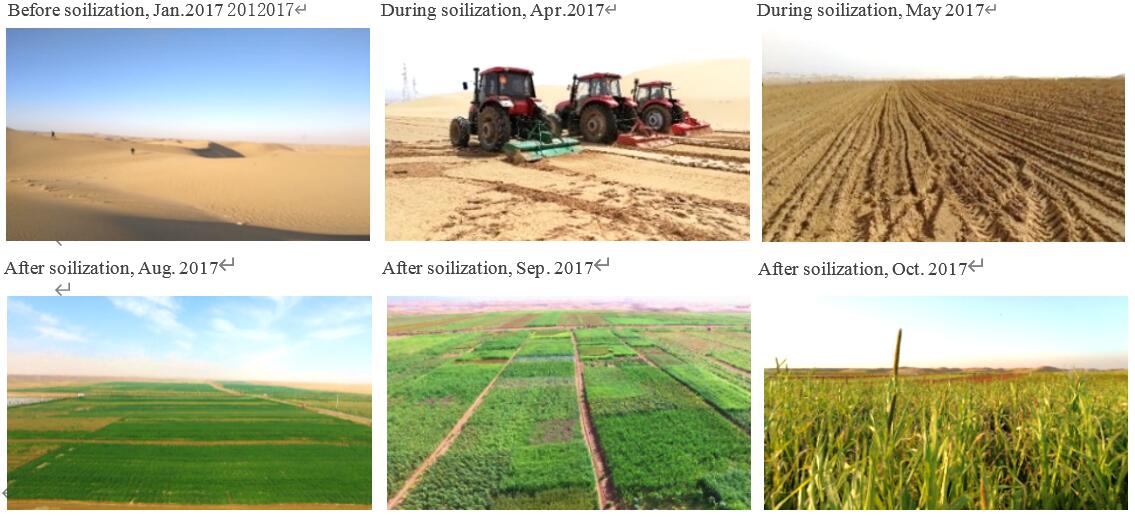
Fig. 3 The soilized site in Ulan Buh Desert in 2017
In 2017, the research team adopted the mode of “technology + industry” and established a research & development base over 650 hectares in Ulan Buh Desert. The first phase of the project was to plant in 260 hectares of the soilized sand. Various plants grew prosperously in the field, which not only showed evident sand control effect, but also significantly improved the local ecological environment.
In 2018, desert soilization was carried out in Ulan Buh Desert in Inner Mongolia, Taklimakan Desert in Xinjiang and the desertified land in Zoige, Sichuan, with the total area over 650 hectares.
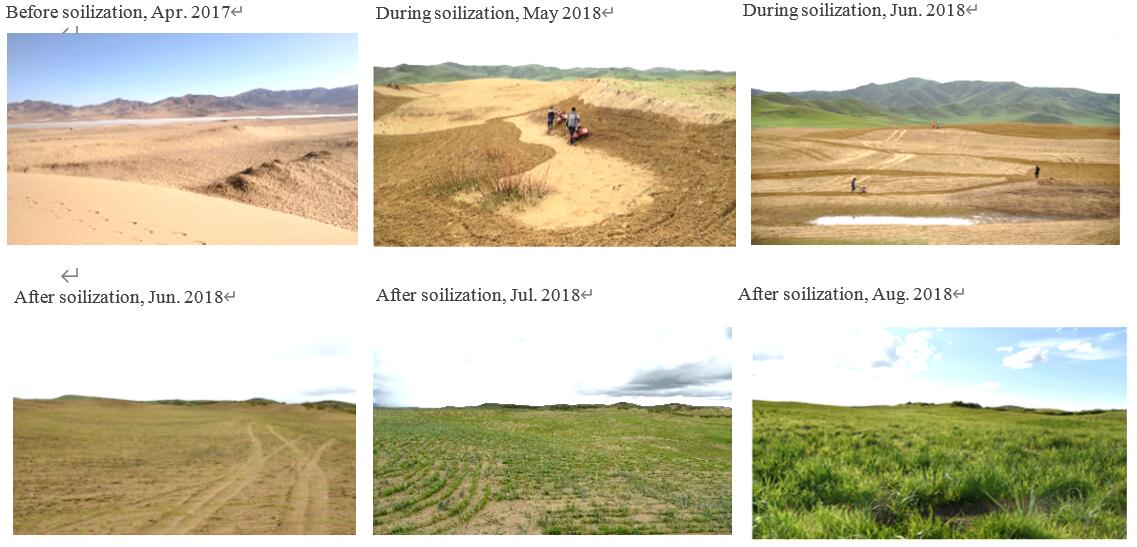
Fig. 4 The plants in the soilized sand in Zoige

Fig. 5 The plants in the soilized sand in Ulan Buh Desert (in the lower right picture, the Artemisia arenaria were planted in 2017, and from 2018 no artificial irrigation has been used.)
In 2019, desert soilization was further expanded in Ulan Buh Desert in Inner Mongolia and in Taklimakan Desert in Xinjiang. Meanwhile, successful experiments were carried out in the deserts in Sahara and the Middle East, in the desertified land in Tibet and the beach sand in Xisha Islands and Xiamen, with an area over 1,300 hectares.
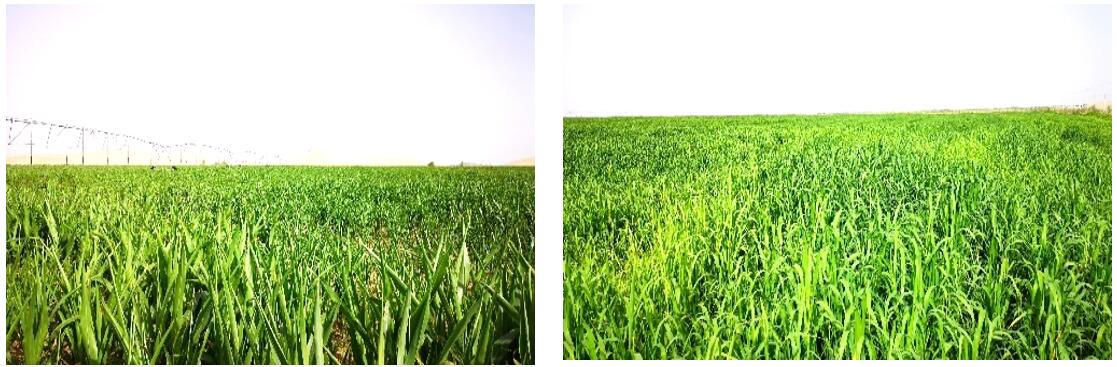
Fig. 6 The plants in the soilized sand in Taklimakan Desert in Hotan county, Xinjiang
III. The technological features
In comparison with the conventional sand control methods such as the engineering, chemical and vegetational methods, the desert soilization technology controls sand by enabling the sand to acquire the soil properties, characterized by the following:
1. The soilized sand is water saving. The experiment in Ulan Buh Desert has shown that the amount of irrigation for different plants is far less than the water-saving irrigation quota required by the local authorities. The psammophytes such as artemisia, astragalus adsurgens, caragana can grow well with limited and even no irrigation. The desertified land in Zoige is fully covered by vegetation without any artificial irrigation.
2. The plants are thriving in the soilized sand and the biomass is generally higher than those grown in the nearby natural soil. The pilot project in Ulan Buh Desert in 2017 has shown that the biomass for various plants in the soilzed sand is generally higher than those grown in the neighboring natural soil; the roots are denser and longer and the biomass is three times over those from the natural soil.
3. The quantities and types of microorganisms increase rapidly. After soilization and planting, the microorganisms in the soilized sand grow rapidly, and just after one year the quantities and types of microorganisms exceed those in the neighboring natural soil.
4. The ODI constraint material and the soilized sand are environmental-friendly. Testing of the hazardous substances in the ODI constraint material, such as heavy metals, volatile organic compounds, free formaldehyde and benzene compounds, has shown that there is little or even no harmful substances in the material. The soilized sand has also passed the soil test on harmful substances.
5. The desert soilization is cost effective and has potential economic prospect. Once the ODI constraint material is added and mixed with sand, the sand is soilized permanently (the pilot project has shown that the soilized sand has increasingly better soil properties in the second and third year after soilization and planting).
6. The sand is soilized rapidly in a physical way and can be applied on a large scale. Sand is converted into soil within a few seconds after mixing the ODI constraint material with sand. The whole soilization process is simple and fast, applicable for large-scale soilization.
7. The soilized desert has significant effect in biodiversity and ecological recovery. A local biodiverse ecological environment has formed in the soilized desert. In addition to the kinds of plants growing exuberantly there, it also became home to different kinds of birds, mice, wild rabbits, frogs and worms.
IV. The prospect
The discovery of the eco-mechanical attributes of soil and the subsequent invention of desert soilization, offer a new approach for desertification control at home and abroad. With adequate evaluation on the environmental impact and water resources, the deserts and desertified land with access to water can recover its ecology by desert soilization in order to improve the local climate, environment and land use.
The desert soilizaiton technology has the potential for the following applications:
1) For desertification control: to soilize the desertified land to resolve a series of ecological, environmental problems and to provide more space for the survival and development of mankind.
2) For agricultural development: to use the soilized sand for the development of agriculture and animal husbandry, poverty alleviation and vitalization of the rural areas based on adequate evaluation of the ecological and water resources.
3) For landscaping on the islands and along the highway or railway in the desertified areas.
4) For serving the “The Belt and Road Initiative”: to serve by technology output the countries along the Belt and Road for desertification control, ecological recovery, agriculture and animal husbandry development through inter-governmental win-win cooperation.

 waiban@vip.163.com